
black bathroom mirror
The Importance of Measuring Tools in Various Fields Measuring tools have been an integral part of human civilization for centuries. From the simple stick used by ancient peoples to approximately gauge distances to highly advanced digital instruments today, measuring tools have evolved significantly, playing a crucial role in various fields including science, engineering, construction, healthcare, and even everyday life. This article will explore the significance of measuring tools, their types, and their applications across different disciplines. The Significance of Measuring Tools At their core, measuring tools provide a means to quantify physical properties, which is essential for analyzing, understanding, and manipulating the environment. They facilitate objective assessments by providing standardized measurements, allowing comparison and replication of results. Whether measuring lengths, temperatures, weights, or volumes, these instruments give us the ability to communicate precise information and make informed decisions based on accurate data. In science, for example, measuring tools are indispensable. They enable researchers to regularly quantify experimental data, ensuring their findings are reproducible. The accuracy of measurements can often dictate the validity of scientific conclusions, making robust and reliable measuring tools vital for conducting experiments and advancing knowledge. Types of Measuring Tools The variety of measuring tools available today reflects the diverse needs across different sectors. Below are some of the primary categories and examples of measuring tools 1. Length Measuring Tools - Rulers and Tape Measures Commonly used in classrooms and construction sites, these tools are essential for determining lengths and distances. - Calipers and Micrometers Used in machining and engineering to measure smaller dimensions with great precision. 2. Weight Measuring Tools - Scales From kitchen scales used for cooking to industrial scales in factories, they provide critical weight measurements. - Balances Often used in laboratories, they measure mass with remarkable accuracy. 3. Volume Measuring Tools - Measuring Cups and Graduated Cylinders Essential in cooking and scientific experiments, respectively, for assessing liquid volumes. - Flow Meters Used in engineering to analyze fluid flow and density in various applications. measuring tool 4. Temperature Measuring Tools - Thermometers Used in a vast array of settings, from weather stations to medical facilities to ensure proper health assessments. - Thermocouples Employed in engineering and manufacturing processes to monitor temperature variations. 5. Time Measuring Tools - Clocks and Timers In daily life, they are indispensable for organizing schedules and managing tasks efficiently. - Stopwatches Used in sports and scientific research to measure duration accurately. 6. Electronic Measuring Tools - Digital Multimeters Used by electricians to measure voltage, current, and resistance. - Laser Distance Measurers Provide quick and accurate distance measurements in construction projects. Applications Across Different Fields In construction and architecture, measuring tools are fundamental for ensuring structures are built correctly and safely. Accurate measurements prevent costly errors and guarantee that plans translate into reality as intended. In manufacturing, precision measuring tools are crucial for quality control, ensuring products meet specifications and function as designed. In healthcare, measuring tools directly impact patient outcomes. Medical professionals rely on devices like blood pressure monitors and glucometers to assess patients’ health status accurately. Precise measurements can inform treatment plans and interventions. In everyday life, measuring tools assist in countless practical tasks—from cooking to home improvement projects—enhancing efficiency and outcomes in mundane activities. Conclusion The innovation and advancement of measuring tools have transformed the way we live and work. Their ability to provide precise and accurate measurements is paramount in a multitude of fields. As technology continues to evolve, so too will measuring tools, further enhancing our ability to understand and interact with the world. In essence, measuring tools are not just instruments; they are the foundation of informed decision-making and scientific advancement. Their significance cannot be overstated, as they empower individuals and professionals alike to achieve better results in whatever their endeavors may be.
about
black bathroom mirror
Understanding the Tilting Disc Check Valve A tilting disc check valve is an essential component in fluid transport systems, designed to prevent backflow while allowing forward flow. This type of valve is particularly notable for its innovative design and efficiency, making it a popular choice in various industrial applications. In this article, we will explore the working mechanism, advantages, and applications of tilting disc check valves. Working Mechanism The tilting disc check valve operates based on a simple yet effective principle. At its core, the valve consists of a disc, which is pivoted at a point to tilt open or closed. When fluid flows in the forward direction, the pressure lifts the disc away from the seat, allowing unhindered flow. However, if there is any reverse flow or backpressure, the disc tilts back against the seat, effectively blocking the flow. This tilting mechanism is what distinguishes it from traditional check valves, which often rely on a spring or other mechanisms to close. The design of the tilting disc allows for quick response times, reducing the risk of water hammer and minimizing turbulence. Moreover, the streamlined flow path ensures that the valve can accommodate high flow rates with minimal pressure drop, enhancing overall system efficiency. Advantages of Tilting Disc Check Valves 1. Reduced Maintenance Needs Unlike other types of check valves that may wear down due to mechanical parts or springs, the tilting disc offers a simpler design with fewer moving components. This results in lower maintenance requirements and a longer lifespan. 2. High Flow Capabilities The streamlined shape of the tilting disc allows for higher flow capacities compared to traditional check valves. This feature makes it ideal for use in systems where fluid dynamics are critical, such as in power plants, water treatment facilities, and chemical processing. 3. Minimal Pressure Drop The design of the tilting disc reduces friction and turbulence when fluid flows through, resulting in minimal pressure drop across the valve. This efficiency translates to lower energy consumption and operating costs. 4. Adaptable to Different Orientations Tilting disc check valves can be installed in various orientations—vertical, horizontal, or inclined—without affecting their performance . This flexibility makes them suitable for a wide range of applications and installation requirements. tilting disc check valve 5. Durability Constructed with robust materials such as stainless steel, cast iron, or bronze, tilting disc check valves are built to withstand high pressures and corrosive environments, enhancing their reliability and performance. Applications Tilting disc check valves find widespread use across various industries - Water and Wastewater Management In municipal water systems, these valves regulate water flow and protect against backflow, ensuring clean water supply and protection for treatment facilities. - Power Generation Power plants utilize these valves in cooling water systems and other processes where maintaining pressure and flow direction is critical. - Oil and Gas In pipelines and refineries, tilting disc check valves help manage flow direction and prevent backflow, ensuring safety and operational efficiency. - Chemical Processing The chemical industry often relies on tilting disc check valves to prevent contamination and backflow in systems handling reactive and hazardous materials. Conclusion The tilting disc check valve is a remarkable invention in fluid control technology. With its unique tilting mechanism, high flow capacity, and low maintenance requirements, it offers numerous advantages for various applications. As industries continue to seek more efficient and reliable solutions for fluid management, the tilting disc check valve will undoubtedly cement its role as a vital component in modern engineering. Embracing this technology not only promotes operational efficiency but also enhances systems' safety and reliability, making it an indispensable choice for engineers and operators alike.
-

High quality industrial productsagement

High quality industrial products
View Details -

Meet the diverse needs of customers

Meet the diverse needs of customers
View Details -

Strict quality control

Strict quality control
View Details -

Top raw materials

Top raw materials
View Details -

Trusted supplier

Trusted supplier
View Details
Our application

news and information
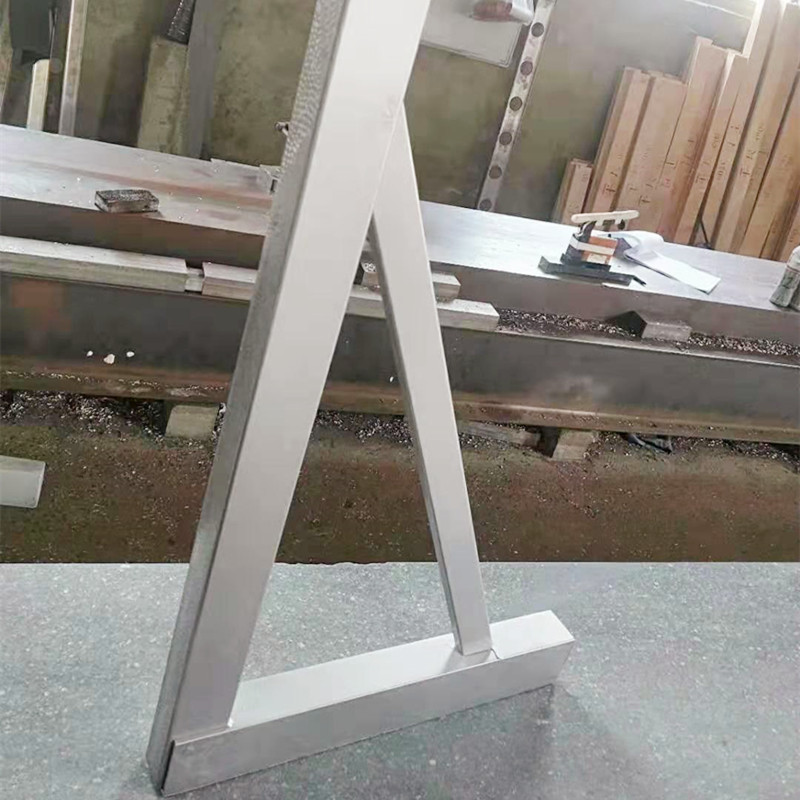
Y Type Strainers_ A Comprehensive Guide
Y type strainers are crucial components in various piping systems, known for their ability to filter
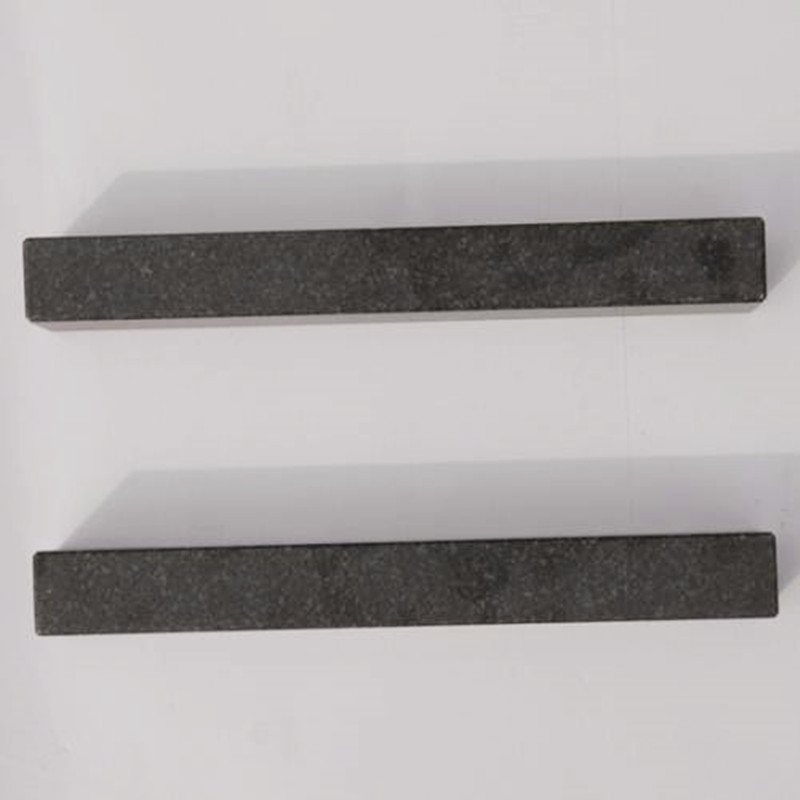
y type strainer price
Investing in the right industrial equipment is critical for maintaining operational efficiency, espe
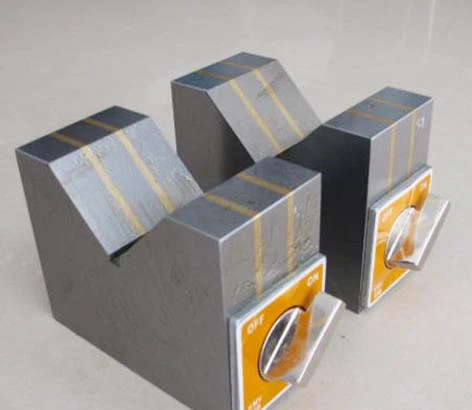
water valves
Understanding Water Valves Essential Components in Fluid Control Water valves are critical component
 English